Working Time
Book Appointment
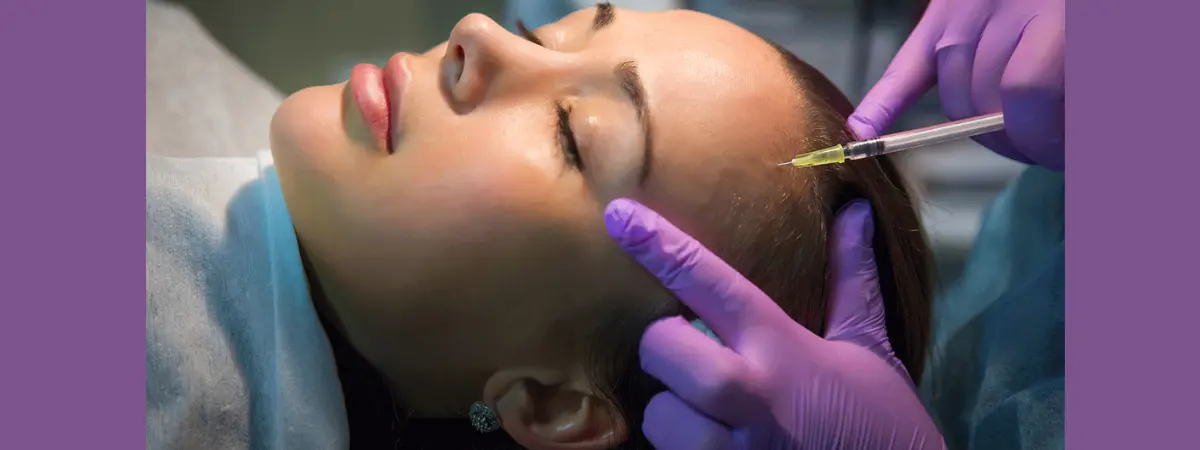
Botox, short for botulinum toxin, is often associated with cosmetic procedures aimed at reducing wrinkles and fine lines. However, this powerful neurotoxin also plays a significant role in medical treatments, particularly in the field of neurology. From managing movement disorders to alleviating chronic migraines, Botox has emerged as a valuable tool in the arsenal of neuro treatment options.
Understanding Botox in Neuro Treatment:
Botox works by blocking the signals between nerves and muscles, effectively relaxing or paralyzing targeted muscles. In the realm of neurology, this mechanism of action is harnessed to treat various conditions characterized by abnormal muscle activity or nerve dysfunction. Some of the key neurological uses of Botox include:
- Chronic Migraines: Botox injections have been FDA-approved for the prevention of chronic migraines in adults. By targeting specific muscles in the head and neck, Botox can help reduce the frequency and severity of migraine headaches, providing much-needed relief for sufferers.
- Cervical Dystonia: Cervical dystonia, also known as spasmodic torticollis, is a neurological disorder characterized by involuntary muscle contractions in the neck, causing abnormal head movements and postures. Botox injections can help relax the affected muscles, alleviating symptoms and improving quality of life for individuals with this condition.
- Spasticity: Spasticity refers to muscle stiffness and involuntary contractions commonly seen in conditions such as cerebral palsy, multiple sclerosis, and stroke. Botox injections can selectively target and relax overactive muscles, reducing spasticity and improving mobility and function.
- Blepharospasm: Blepharospasm is a condition characterized by involuntary eyelid spasms and excessive blinking, which can significantly impair vision and quality of life. Botox injections into the muscles surrounding the eyes can help alleviate these symptoms and restore normal eyelid function.
- Non-Invasive: Botox injections are minimally invasive procedures that can be performed in a clinical setting without the need for surgery.
- Targeted Treatment: Botox can be precisely administered to specific muscles or areas affected by neurological conditions, maximizing therapeutic benefits while minimizing side effects.
- Long-Lasting Relief: While individual results may vary, the effects of Botox injections in neuro treatment can last for several months, providing sustained relief from symptoms.
By harnessing the power of Botox in neuro treatment, individuals with various neurological conditions can experience relief from symptoms and regain control over their lives. With the guidance and expertise of Dr. Priyanka, you can embark on a path towards better neurological health and well-being.
Recent Posts
- Summer Migraines: How to Beat the Heat and Stay Headache-Free
- The Role of Genetics in Neurological Disorders: What Families Should Know
- The Brain Drain: Foods to Avoid for Optimal Brain Health
- Banishing Back Pain: Understanding, Preventing, and Treating Your Aches
- Unraveling the Discomfort: An Exploration of Various Headache Types
- Empowering Your Muscles: Unraveling the Mysteries of Weakness
- Unlocking the Power of Botox in Neurological Treatment
- Conquering Insomnia: Understanding, Coping, and Seeking Solutions