Working Time
Working Time
Book Appointment
Book Appointment
+
The Role of Genetics in Neurological Disorders: What Families Should Know
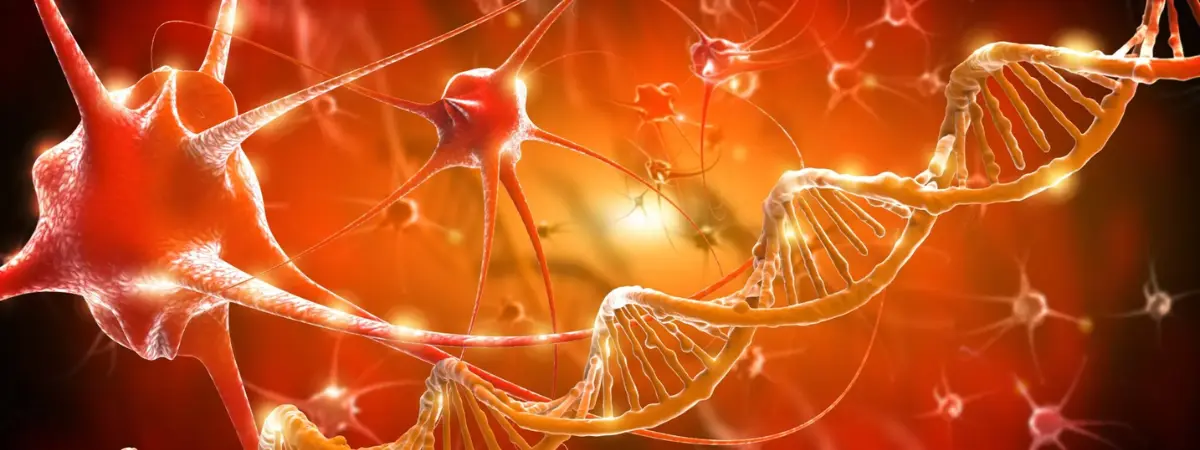
Understanding the intricate relationship between genetics and neurological disorders is essential for families navigating these complex conditions. Genetics, the blueprint of our biology, plays a significant role in many neurological conditions, offering both insights and challenges. Let's explore the key aspects of this connection and what families need to know.
Genetics 101:
Our DNA, organized into chromosomes, contains genes that dictate how our bodies function. Neurological disorders can arise from various genetic factors:
- Single Gene Mutations: Some disorders, like Huntington's disease, result from mutations in a single gene.
- Multiple Gene Involvement: Complex disorders like Alzheimer's involve multiple genes and environmental factors.
- Copy Number Variations (CNVs): Alterations in DNA copy numbers can contribute to conditions such as epilepsy.
- Mitochondrial DNA Mutations: Mutations in mitochondrial DNA can lead to neurological disorders due to the brain's reliance on mitochondrial energy.
- Repeat Expansion Disorders: Disorders like Huntington's and Fragile X syndrome result from abnormal DNA repeats.
- Epigenetic Changes: Changes in gene activity can impact neurological conditions like Rett syndrome.
- Chromosomal Abnormalities: Conditions like Down syndrome involve changes in chromosome structure or number.
- Prion Diseases: Misfolded proteins cause diseases like Creutzfeldt-Jakob disease.
- Alzheimer's Disease: Specific gene mutations and the APOE ε4 allele increase risk.
- Parkinson's Disease: Mutations in genes like SNCA and LRRK2 contribute to familial cases.
- Huntington's Disease: An autosomal dominant disorder caused by mutations in the HTT gene.
- Amyotrophic Lateral Sclerosis (ALS): Mutations in genes like SOD1 contribute to familial cases.
- Epilepsy: Various gene mutations affect seizure susceptibility.
- Muscular Dystrophies: Disorders like Duchenne muscular dystrophy result from genetic mutations.
- Neurofibromatosis: Different types of neurofibromatosis stem from specific gene mutations.
- Diagnosis: Testing can confirm a specific disorder when symptoms are unclear.
- Family Planning: Couples can assess the risk of passing on genetic mutations to children.
- Treatment Guidance: Understanding genetic makeup can lead to targeted treatments.
- Innovative Therapies: Researchers are developing therapies to target genetic roots of neurological disorders.
- CRISPR Gene Editing: This technology holds promise for correcting or preventing genetic mutations.
Recent Posts
- Summer Migraines: How to Beat the Heat and Stay Headache-Free
- The Role of Genetics in Neurological Disorders: What Families Should Know
- The Brain Drain: Foods to Avoid for Optimal Brain Health
- Banishing Back Pain: Understanding, Preventing, and Treating Your Aches
- Unraveling the Discomfort: An Exploration of Various Headache Types
- Empowering Your Muscles: Unraveling the Mysteries of Weakness
- Unlocking the Power of Botox in Neurological Treatment
- Conquering Insomnia: Understanding, Coping, and Seeking Solutions